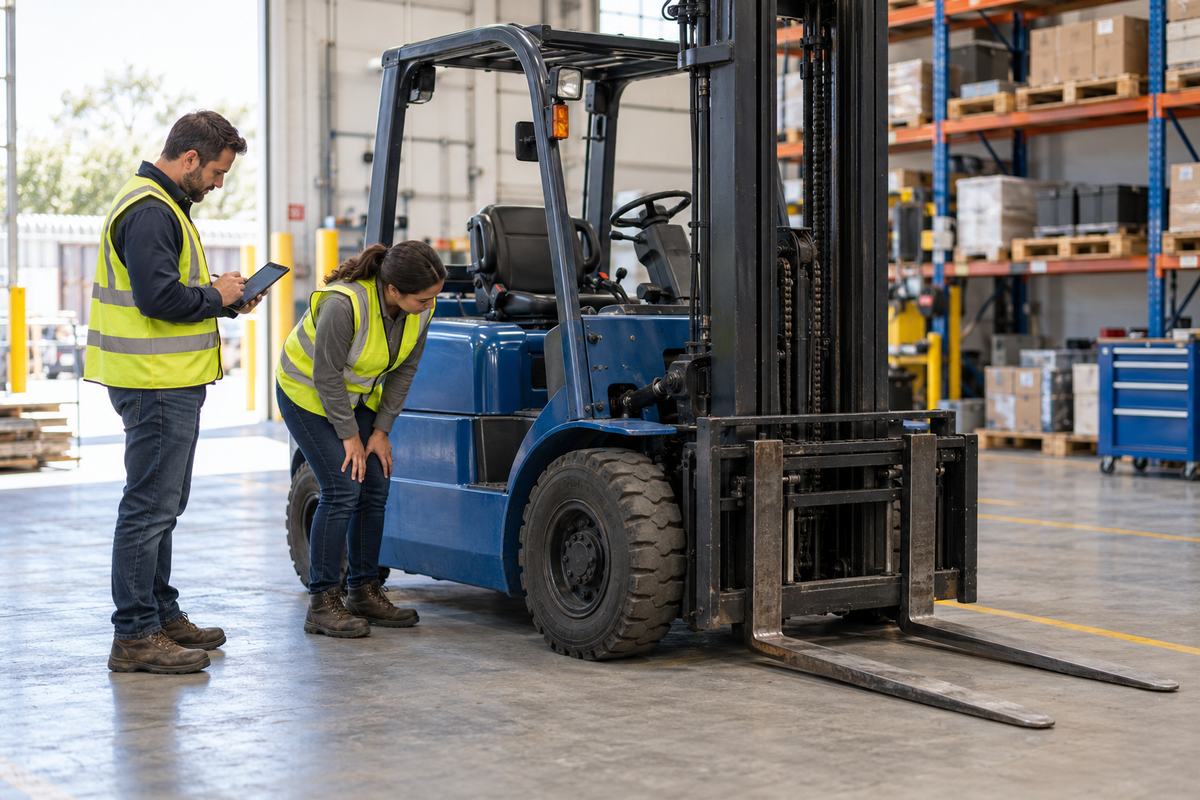
Forklift Insurance: How Safer Operations Can Lower Costs and Risks
Forklift insurance helps protect a business financially when something goes wrong. Preventing incidents can also reduce the losses that influence insurance decisions. For US warehouse and fleet managers, the opportunity is to improve safety, document results, and give insurers a clearer view of how risk is managed. Lower premiums are possible, but never automatic.
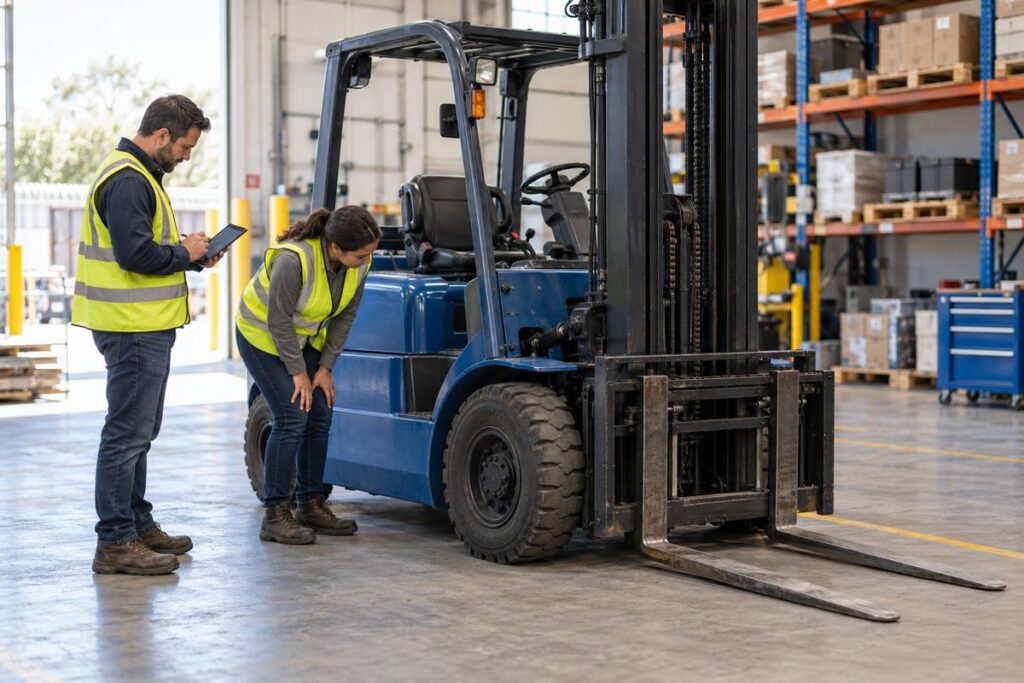
Understanding Forklift Insurance and Why It Matters
Forklift insurance usually means a combination of business coverages, rather than one policy covering every accident. General liability may respond to third-party injury or property damage; workers compensation addresses covered employee injuries. Equipment or commercial property coverage may protect the forklift itself.
Business interruption protection depends on covered causes and policy conditions; downtime is not automatically insured. Review rented equipment, deductibles, exclusions, and operating locations with your broker. If you are searching for a “forklift accident policy,” ask which policies actually respond to each exposure.
The Real Cost of Forklift Accidents
A collision can injure a worker, damage racking, interrupt shipments, and remove a truck from service. The financial impact extends beyond repair bills: supervisors investigate, teams reorganize work, and replacement equipment may be needed.
Insurance can transfer some financial exposure, but deductibles and uninsured disruption remain with the business. Claims may also affect future pricing. Use your own incident records to calculate total losses rather than relying on a generic average that may not reflect your operation.
How Safety Performance Influences Insurance Premiums
Underwriters consider claims history, business activities, exposure, and risk controls. Travelers identifies both claims history and risk management efforts as factors affecting general liability costs.
For eligible employers, workers’ compensation experience rating also links historical losses to future premiums. NCCI explains that better-than-expected loss experience can lower the experience modification factor.
However, installing AI does not automatically earn a discount. Payroll, coverage limits, market conditions, and the insurer’s rating approach still matter. Ask your broker which improvements can influence pricing and when those changes may appear.
The Role of AI Safety Systems in Forklift Risk Management
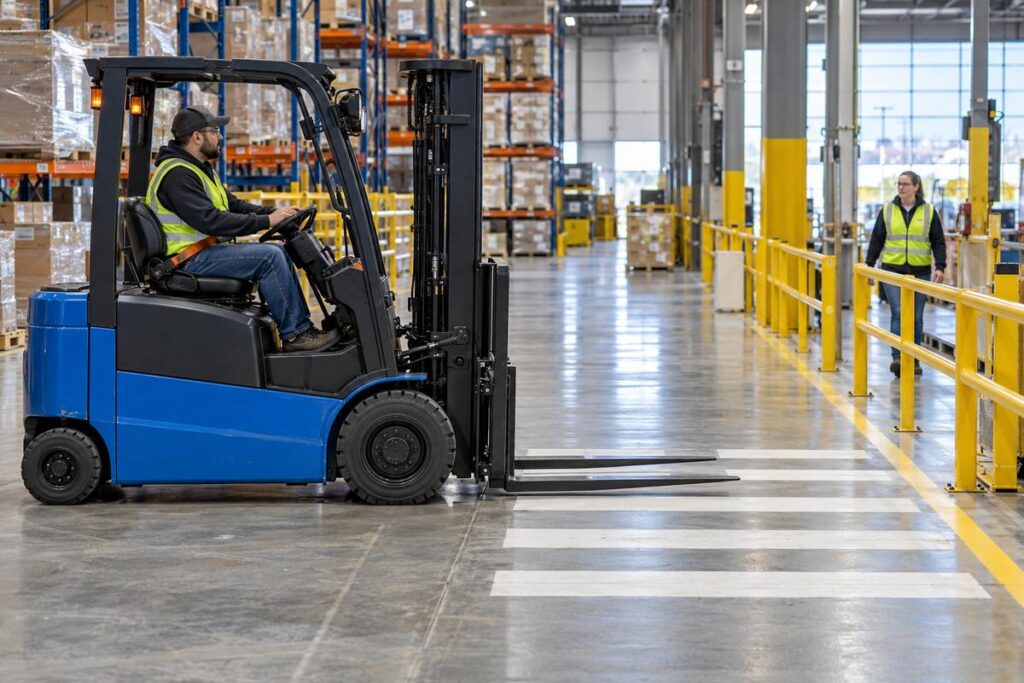
AI pedestrian detection adds another layer to a forklift safety program. Blaxtair’s pedestrian detection technology identifies and locates people in real time and alerts operators to relevant proximity risks. Distinguishing people from surrounding objects helps limit unnecessary alerts.
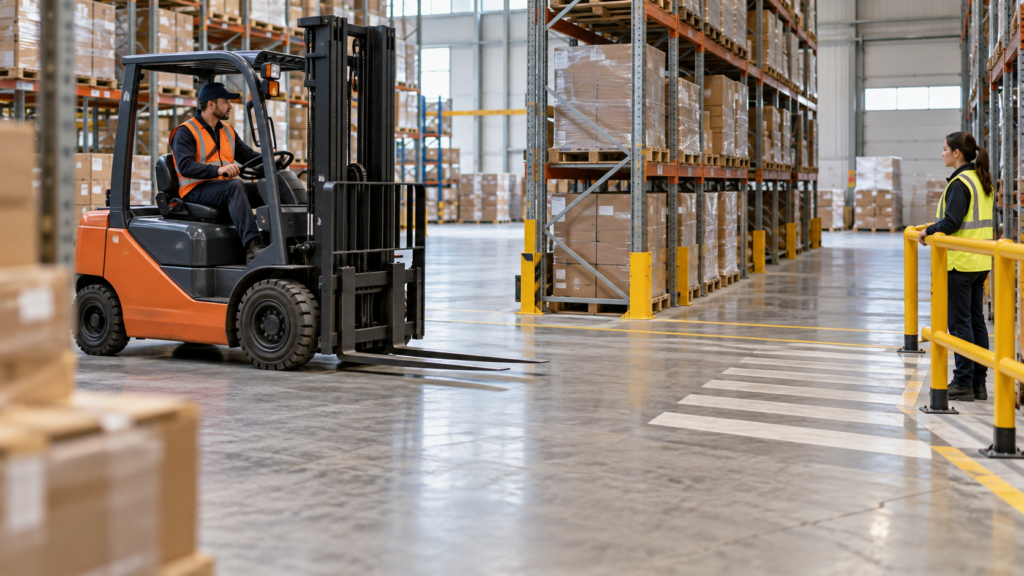
This supports driver awareness alongside pedestrian separation, visibility controls, and training. It does not guarantee collision prevention or replace safe operating procedures.
Blaxtair Connect® adds visibility into machine–pedestrian interactions, highlighting locations and times associated with elevated risk. Managers can use that information to prioritize preventive actions and assess their effectiveness.
How Safety Data Strengthens Your Insurance Position
A credible renewal submission connects evidence to action. Combine claims records with training completion, maintenance history, inspection follow-up, and documented changes to traffic routes.
Track incidents relative to operating hours so reduced activity is not mistaken for improved safety. Record camera coverage and configuration changes when comparing detection trends: fewer alerts alone do not prove fewer accidents.
Use Blaxtair Connect insights to explain where interventions occurred. Share relevant summaries with your broker and ask what the underwriter accepts. Technology data supports the discussion; it is not an insurer-certified risk score or a promise of lower premiums.
5 Steps to Improve Forklift Safety and Reduce Insurance Costs
- Assess risks. Review collisions, near misses, claims, and pedestrian routes. Prioritize recurring hazards and assign corrective actions.
- Implement smart technology. Evaluate AI pedestrian detection against your vehicles, visibility constraints, and operating environment. Pair deployment with practical operator training.
- Standardize checklists. OSHA requires examination before service, at least daily, and after each shift for round-the-clock operations. Remove unsafe trucks from service and address defects.
- Monitor performance. Review exposure-adjusted incident trends, outstanding maintenance, and completed corrective actions. Investigate changes instead of treating every alert as an accident.
- Engage insurers. Present documented improvements before renewal. Compare equivalent limits, deductibles, and exclusions when assessing quotations; a cheaper policy may provide less protection.
The Broader ROI of Investing in Forklift Safety
The business case should remain credible even without an insurance discount. Evaluate reduced repair spending, fewer interruptions, and avoided replacement-rental costs alongside implementation, training, subscriptions, and maintenance.
Build a conservative forecast using verified internal costs. Keep potential premium savings separate until an insurer confirms them, and avoid counting the same loss twice. Protecting workers also supports confidence in daily operations, although effects on retention or reputation are harder to quantify.
This approach gives finance and safety teams a shared basis for reviewing investment.
Conclusion
Safer operations can help businesses pursue lower forklift insurance costs, but the strongest starting point is reducing actual exposure. Combine appropriate coverage with training, inspections, pedestrian controls, and technology suited to your site.
Document the improvements and discuss their underwriting relevance with your broker. Insurance savings may follow; better visibility into preventable risks is valuable in its own right.
Request a Blaxtair demo to explore how AI pedestrian detection and Blaxtair Connect can support your forklift risk management program.
FAQs
What does forklift insurance typically cover?
Coverage may include third-party liability, employee injuries, and equipment damage through different policies. Business interruption is conditional, not automatic. Ask your broker to confirm how each policy responds to your fleet’s activities and exclusions.
How does improved forklift safety lower insurance premiums?
Reducing claims and demonstrating effective controls can improve underwriting assessments. Eligible workers’ compensation policies may also reflect loss history through experience rating. Any premium benefit depends on policy, insurer, exposure, and other pricing factors.
Can safety data from AI systems be used during insurance renewals?
Yes. Relevant data can support a renewal submission alongside claims records and documented corrective actions. Confirm the insurer’s evidence requirements first. AI detection trends alone do not establish reduced claims or guarantee better terms.